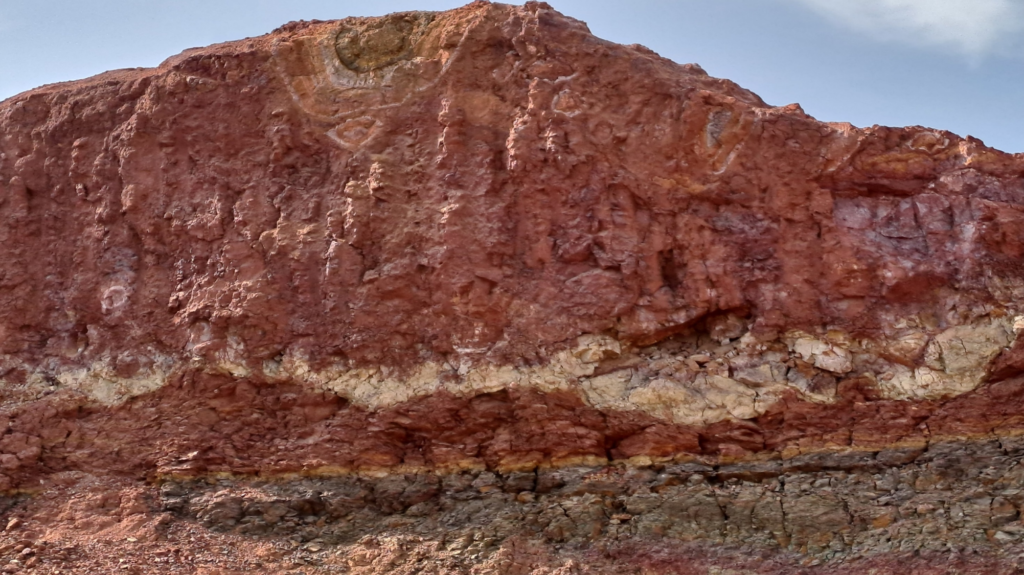
In an era defined by the energy transition and the demand for advanced materials, at GSES we redefine the potential of earth resources by bridging the gap between traditional geoscience and the high-tech materials market. Our expertise spans advanced coal characterization and its conversion into high-value nanomaterials, Rare Earth Elements (REE) geology to its solution chemistry, graphite characterization, metals and mineral exploration.
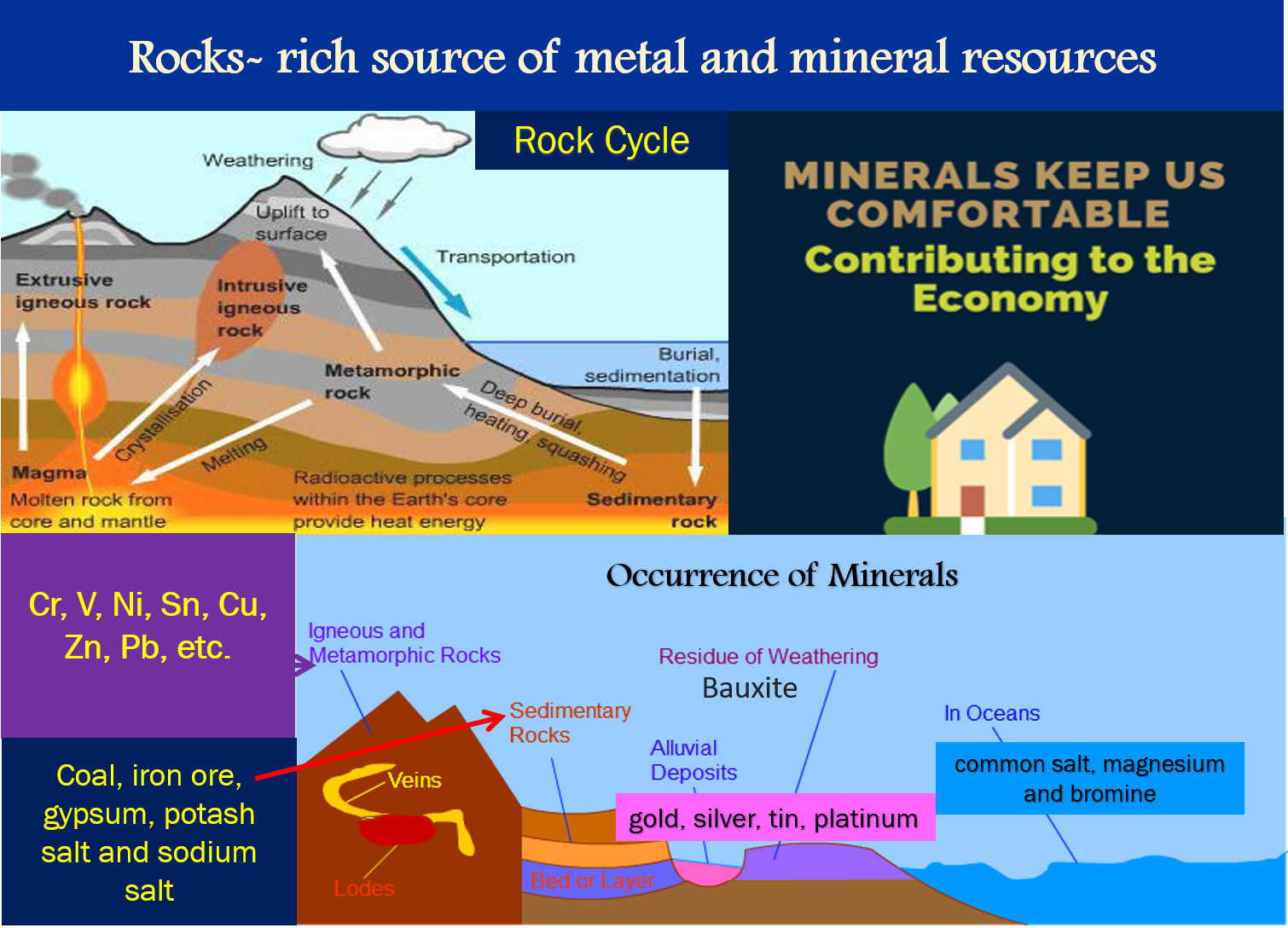
Our Core Capabilities
Mineral Exploration
Redefining earth resource potential by bridging the gap between traditional geology and high-tech material markets through advanced characterization and precision mapping.
REE Extraction
Developing advanced solution chemistry and geology to isolate these elusive elements effectively.
Coal
Converting coal into high-value nanomaterials for industrial efficiency.
Clay
Valorizing the unique structure of natural clays through functional modification to drive the green chemistry revolution and support circular economy principles across industrial sectors
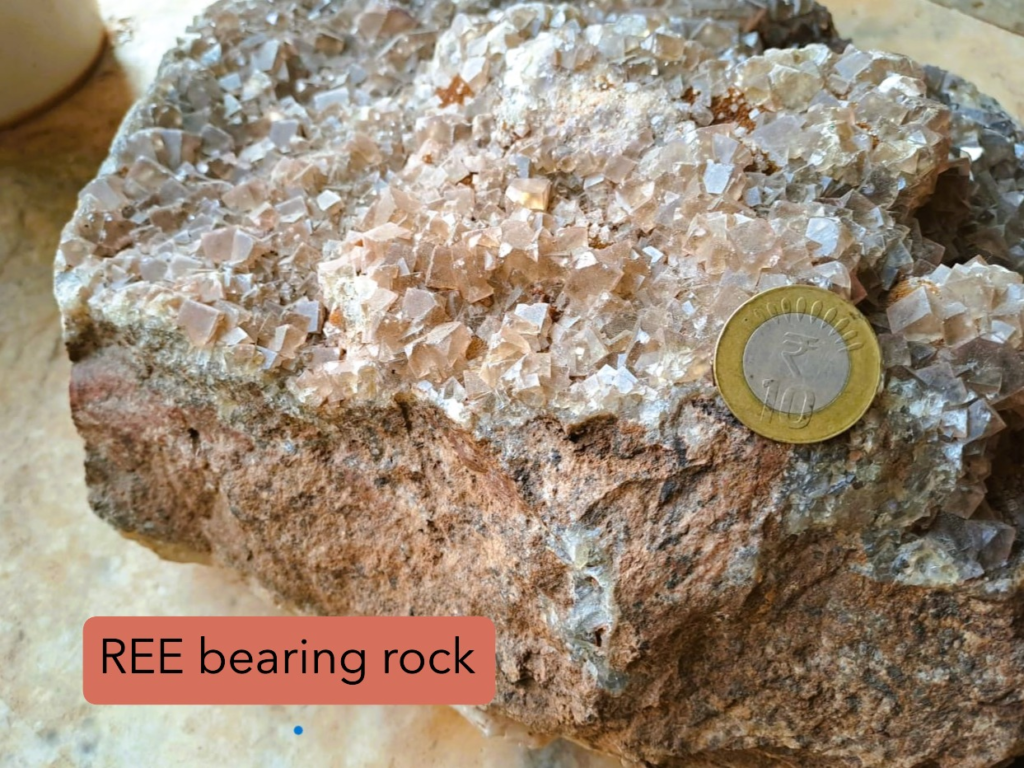
The Rare Earth Paradox: Abundant in the Crust, Elusive to Isolate
Rare Earth Elements (REEs) have be come indispensable, fueling advancements in renewable energy, defense, telecommunications, and green technologies. Rare earth elements (REEs) are indispensable to modern technologies due to their unique magnetic, catalytic, and luminescent properties. Although REEs are not particularly rare in abundance, they rarely occur in high concentrations, making traditional mining techniques inefficient.
Defining graphite
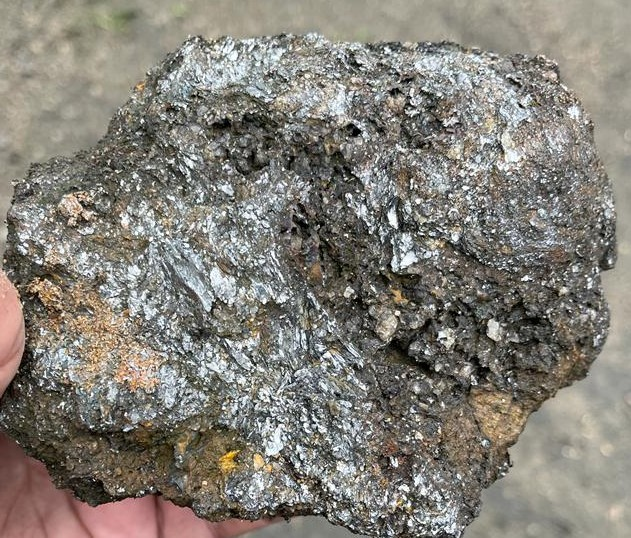
Graphite is a form of pure carbon that normally occurs as black crystal flakes and masses. Its unique physical and chemical properties make it well-suited to many industrial applications, including electronics, lubricants, metallurgy, and steel making. Consumption of smart electronic devices has caused a growth in demand and this may continue to grow as sales of electric and hybrid vehicles require larger batteries.
Graphite generally forms from high-grade metamorphism of organic matter in sediments . The three main types of commercially significant natural graphite are crystalline or disseminated flake, crystalline vein or lump, and microcrystalline or amorphous graphite. The value of graphite deposits depends on grade, purity, size and range of flakes or needles, while the presence of impurities that may have a negative effect on extraction
Clay for future
Clay minerals, a naturally occurring abundant low-cost nano-geomaterials with their stable thermal, mechanical, fire resistance and versatile physicochemical characteristics make them widely useful since ancient time of human civilization. Clay minerals are naturally occurring layered fine particle (less than 2 μm) with 1:1, and 2:1 and mixed type structural varieties having specific physiochemical characteristics with versatile properties (Table 1)1. The wide use of clay minerals is mainly due to their high adsorption capacity and specific surface area, ion exchange capacity, colloid and thixotropy, chemical inertness swelling property, and, above all, low toxicity for oral administration.