
Research and Development (R&D) for New Material
In the present era of rapid technological advancement, materials R&D plays a crucial role in driving innovation, sustainability, and economic growth. Research for new material development is a systematic and multidisciplinary process aimed at discovering, designing, and optimizing materials with improved or novel properties to meet emerging technological and industrial demands with sustainability.
Our R & D Process
Identification of Need and Problem Definition
The R&D process begins with identifying a specific application need or performance gap in existing materials. This may arise from industrial challenges, regulatory requirements, cost reduction goals, or the demand for sustainable and high-performance materials.
Material Selection and Experimental Design
Based on the identified need, suitable material classes—metals, polymers, ceramics, composites, nanomaterials, or hybrids—are selected before experimental work begins.
Material Synthesis and Processing
New materials are synthesized using appropriate experimental techniques with follow-up and careful processing for parameter optimization for material properties.
Characterization and Testing
Material characterization is a critical step in R&D. Need based analytical techniques are used to study the synthesized materials in terms of structure–property relationships. Performance testing under real or simulated operating conditions validates the material’s suitability for its intended application.
Optimization and Iteration
Based on characterization results, materials are refined through compositional adjustments, processing modifications, or other treatments. This iterative cycle continues until the desired balance of properties, reliability, and cost-effectiveness is achieved.
Scale-up, Industrial Validation and Commercialization
Once optimized at the laboratory level, the material is scaled up for pilot and industrial production. Challenges such as reproducibility, manufacturability, quality control, and environmental impact are addressed during this phase. The final stage of R&D involves integrating the new material into products, ensuring compliance with standards, and evaluating life-cycle performance.

We at GSES provide solution to problems at different phases of crude oil production from reservoir to refinery such as in drilling wells, enhanced oil recovery, demulsification, flow assurance. We, design our molecular level study, to find new methods in order to achieve a better understanding of the relationship between microscopic interactions and macroscopic emulsion properties for highest possible efficiency.
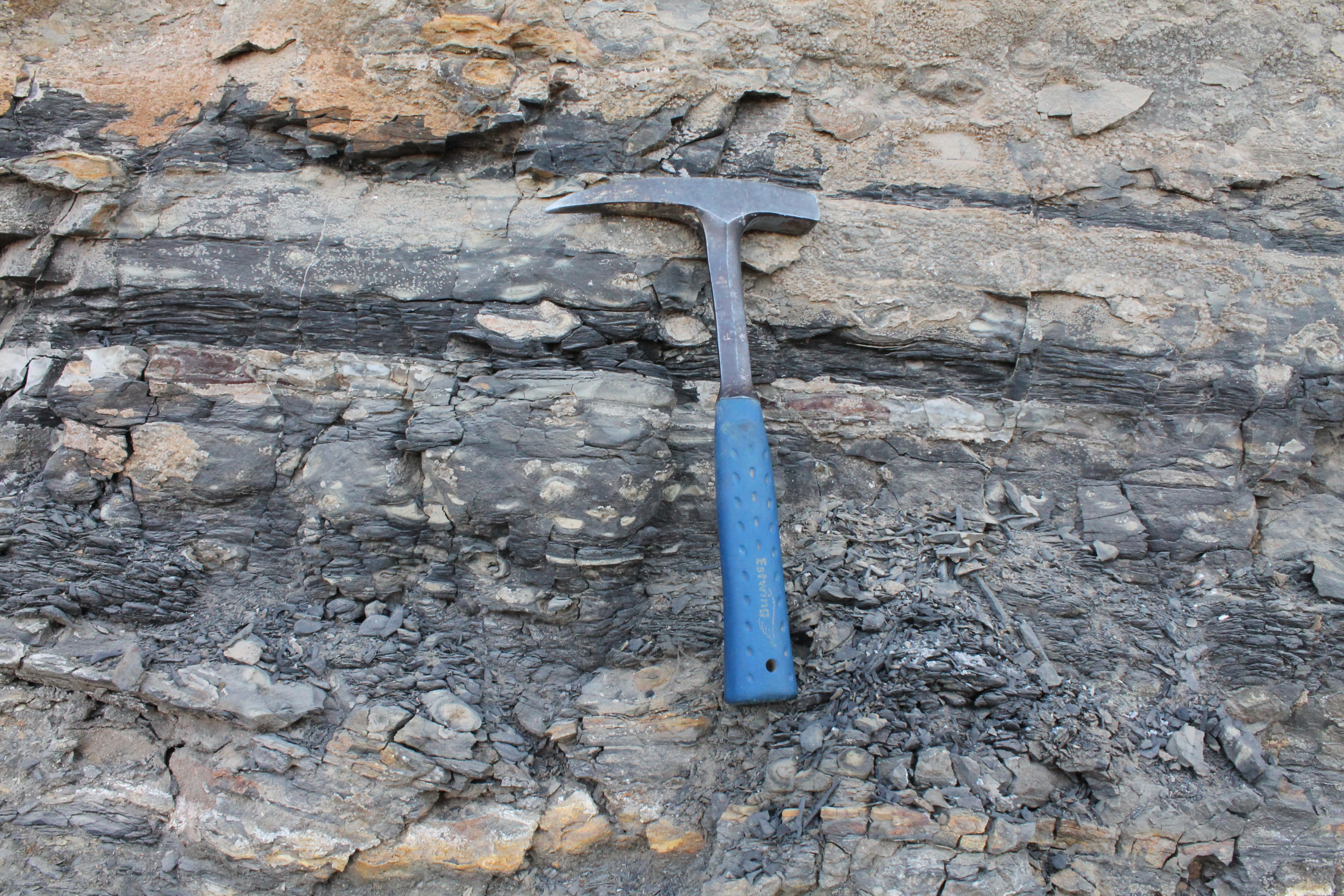
The increasing demand for clean energy with minimum environmental impact is driving the need for development of efficient energy conversion technologies with efficient storage systems and production of advanced materials for future valuable use. Coal, being an abundant and cheap feed stock of carbon and carbon-based materials, could provide a feasible and long term-solution in energy, environment and societal applications.
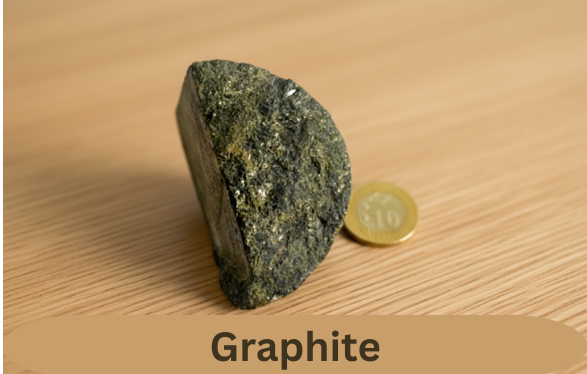
Graphite is a form of pure carbon that normally occurs as black crystal flakes and masses. Its unique physical and chemical properties make it well-suited to many industrial applications, including electronics, lubricants, metallurgy, and steel making. Consumption of smart electronic devices has caused a growth in demand and this may continue to grow as sales of electric and hybrid vehicles require larger batteries.
The Science of Activated Carbon

The science and technology of carbon materials are in the process of continuous development and are constantly finding ways to improve the properties of the already existing materials even at the nanometric scale. The wide variety of materials now available has turned the field of carbon materials into a multi- and interdisciplinary science.
Rare Earth Element Revolutions
Rare Earth Elements (REEs) have become indispensable, fueling advancements in renewable energy, defense, telecommunications, and green technologies. Rare earth elements (REEs) are indispensable to modern technologies due to their unique magnetic, catalytic, and luminescent properties where rapid technological growth, coupled with sparse geographic concentration in specific rock types and environment damaging extraction methods, raises serious concerns about long-term availability and supply chain resilience.
Personal Care

We believe self-care should be more than just a routine. Discover a curated collection where nature meets science to nurture your natural beauty. Whether you’re finding your calm with essential oils, expressing yourself through a hair dye, or giving your skin some much-needed love with targeted skin care, we’re here.